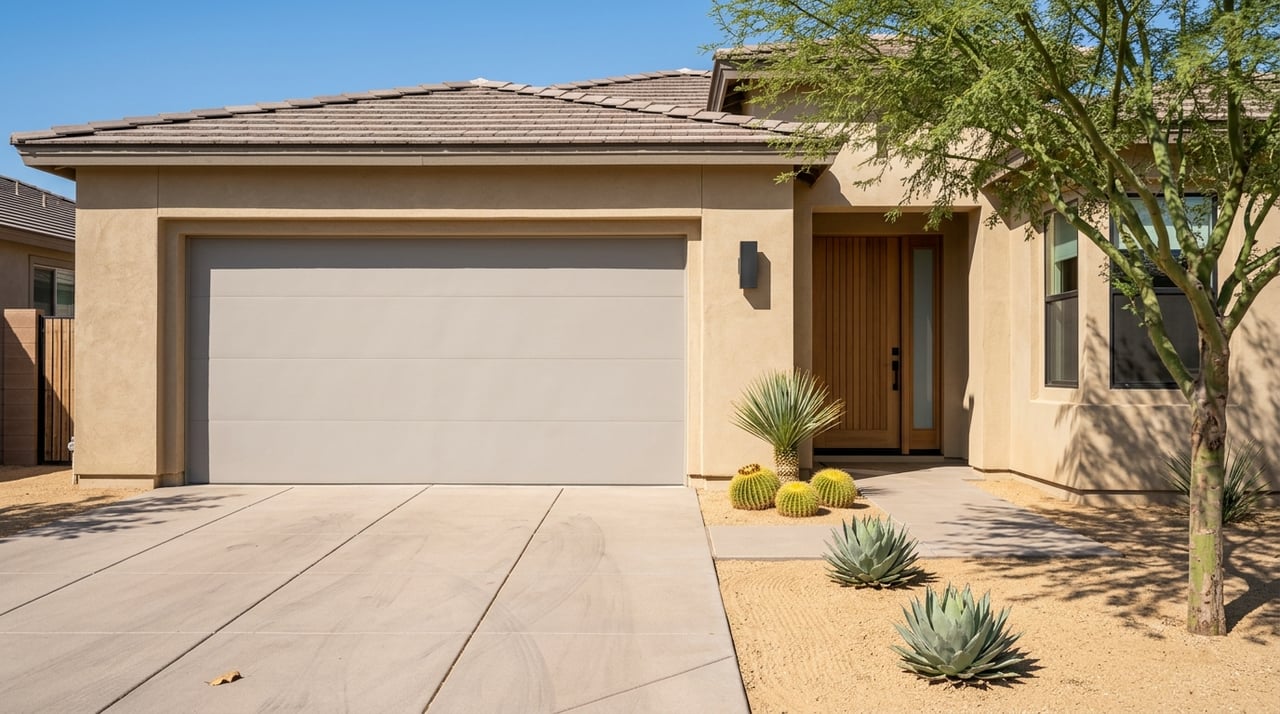
If you’re thinking about selling in Chandler, here’s the reality: buyers have options, and they’re noticing the details. In a market where single-family homes were taking a median of 59 days to sell as of April 2026, strong presentation can help your home stand out. The good news is that you do not need a massive renovation plan to make a smart impression. You need focused prep, clear priorities, and a strategy that fits how today’s Chandler buyers compare homes. Let’s dive in.
Why home prep matters in Chandler
Chandler’s market is still active, but it is not the kind of market where every home sells quickly just because inventory is limited. As of April 2026, single-family homes had 3.1 months of inventory and sellers received 98.4% of list price on average. That tells you pricing and condition still matter.
For condos and townhomes, the pace has been slower, with 83 median days on market and 4.9 months of inventory. If you want buyers to feel urgency, your home needs to look move-in ready, well cared for, and easy to understand from the first photo to the final showing.
That buyer mindset makes sense. Most buyers are purchasing previously owned homes, not new construction, and many are sensitive to signs of future repair work. If your home feels maintained and thoughtfully presented, you reduce friction and help buyers focus on the home itself instead of a mental to-do list.
Start with the fixes buyers notice first
Before you think about trendy upgrades, handle anything that signals deferred maintenance. Buyers tend to react strongly to visible defects because they raise concerns about what they cannot see. In Chandler, that means practical systems and obvious wear should come first.
A strong prep plan usually starts with these items:
- Fix leaks
- Repair broken screens
- Make sure doors and windows open and close properly
- Address roof issues
- Service HVAC if needed
- Correct obvious plumbing or electrical problems
- Replace broken glass or damaged fixtures
These are not glamorous updates, but they can have a big effect on buyer confidence. Chandler’s own housing repair guidance lists HVAC, roofing, plumbing, electrical, broken glass, and inoperable doors and windows among serious housing problems, which tells you exactly where visible trouble spots can hurt perception.
Focus your budget on high-impact updates
If you are deciding where to spend money, keep it simple. National remodeling data points to a restrained seller-prep approach, with painting and roofing among the most commonly recommended projects before listing. Cost recovery also tends to favor practical, visible improvements over highly customized remodels.
For many Chandler sellers, the best return comes from work that improves first impressions and removes objections. That could include:
- Painting the entire home in neutral colors
- Painting one or two tired interior rooms
- Refreshing the front door if it looks worn
- Replacing dated or damaged hardware
- Addressing worn flooring in high-traffic areas
- Completing needed roof repairs or replacement
Should you remodel the kitchen?
Usually, only if the kitchen has real functional issues or looks so dated that it hurts first impressions. A full custom remodel is not always the smartest pre-listing move. Smaller improvements often make more sense when your goal is resale, not long-term personal enjoyment.
If cabinets, counters, and layout are generally serviceable, a cleaner and lighter presentation may do more for you than a major construction project. Fresh paint, decluttering, updated lighting, and repaired hardware can go a long way.
Improve curb appeal the Chandler way
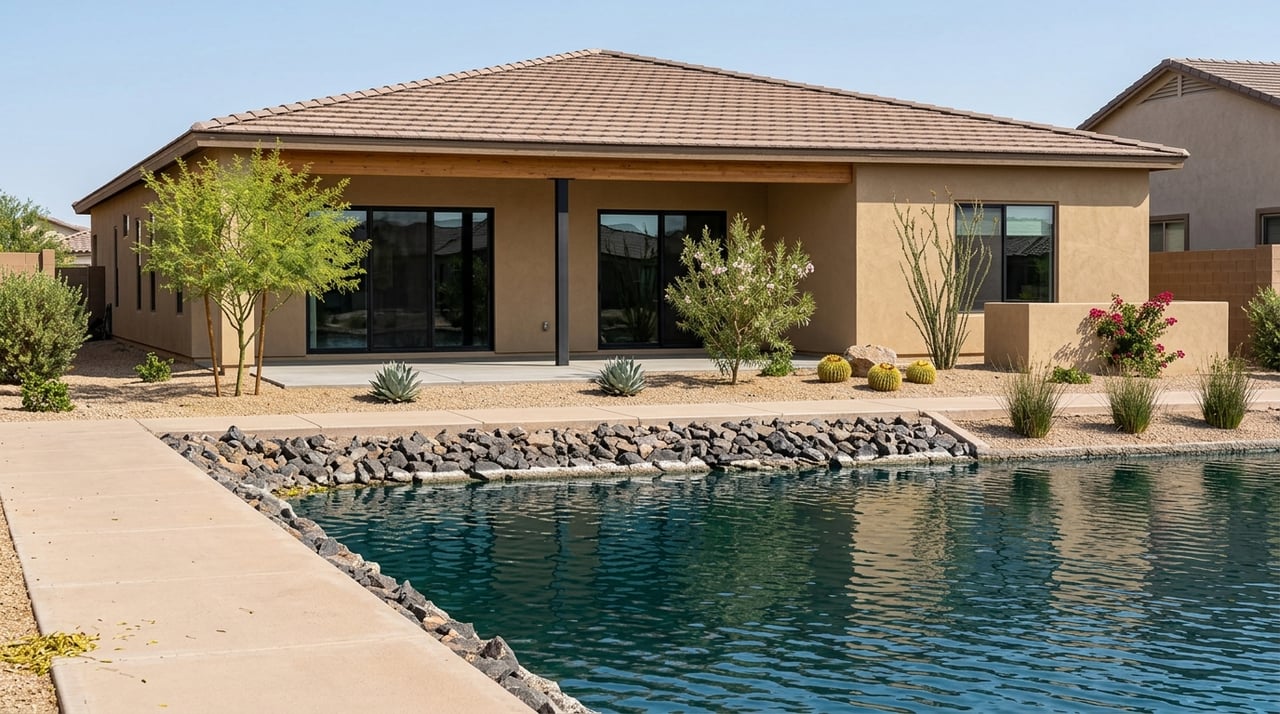
In Chandler, curb appeal is not just about looks. It is also about showing that the outdoor space is practical, maintained, and appropriate for the desert climate. The city notes that 50% to 70% of household water use is outdoors, and it encourages smart irrigation, leak repair, and reduced grass in favor of xeriscape and desert-adapted plants.
That matters when buyers pull up to your home. A yard with trimmed plants, refreshed gravel or mulch, and working irrigation feels intentional and easier to maintain. A neglected yard can suggest waste, hidden repair issues, or extra work after closing.
Smart front-yard priorities
Start with the basics:
- Trim overgrown shrubs and trees
- Remove weeds and debris
- Refresh gravel, mulch, or decomposed granite
- Edge planting areas neatly
- Repair irrigation leaks or broken emitters
- Replace dead plants if needed
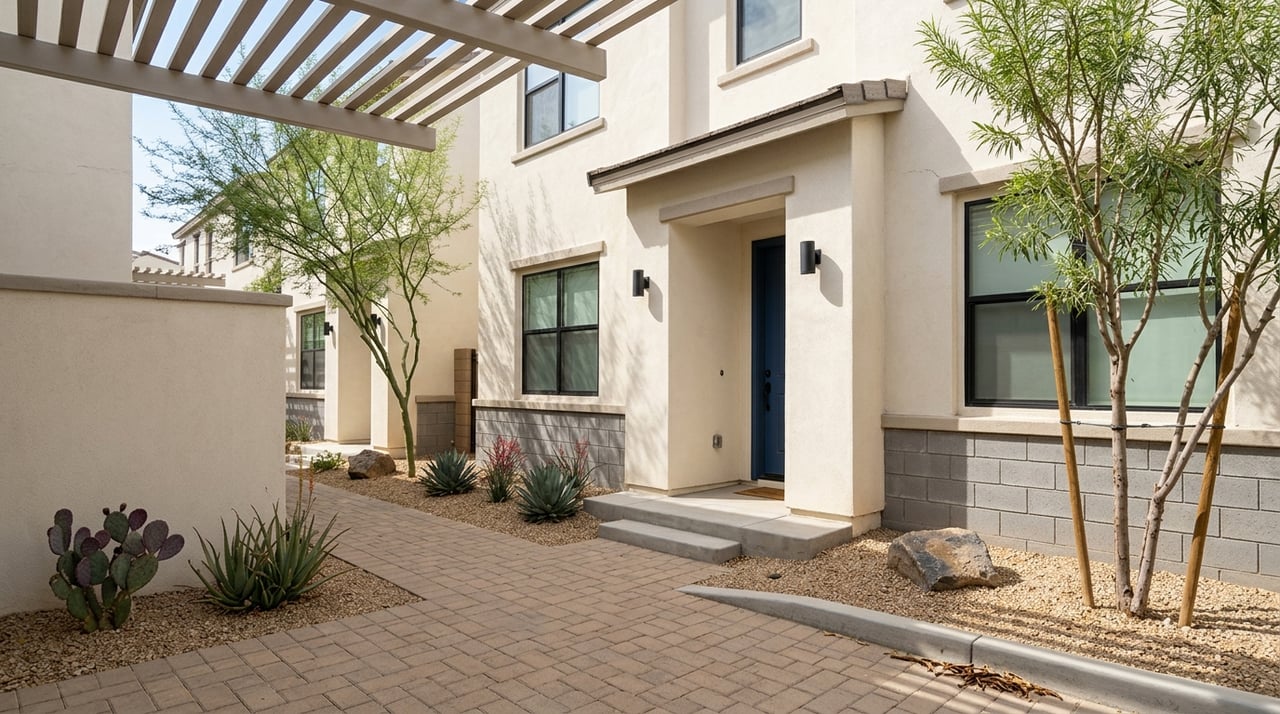
- Clean the walkway and front entry
If you already have xeriscaping, that is not a drawback when it looks cared for. Chandler actively promotes grass reduction and desert-adapted landscaping, and grass-to-xeriscape conversions can save more than 50,000 gallons per year. For many buyers, a clean low-water landscape may feel like a practical plus.
Do not overlook the backyard and pool
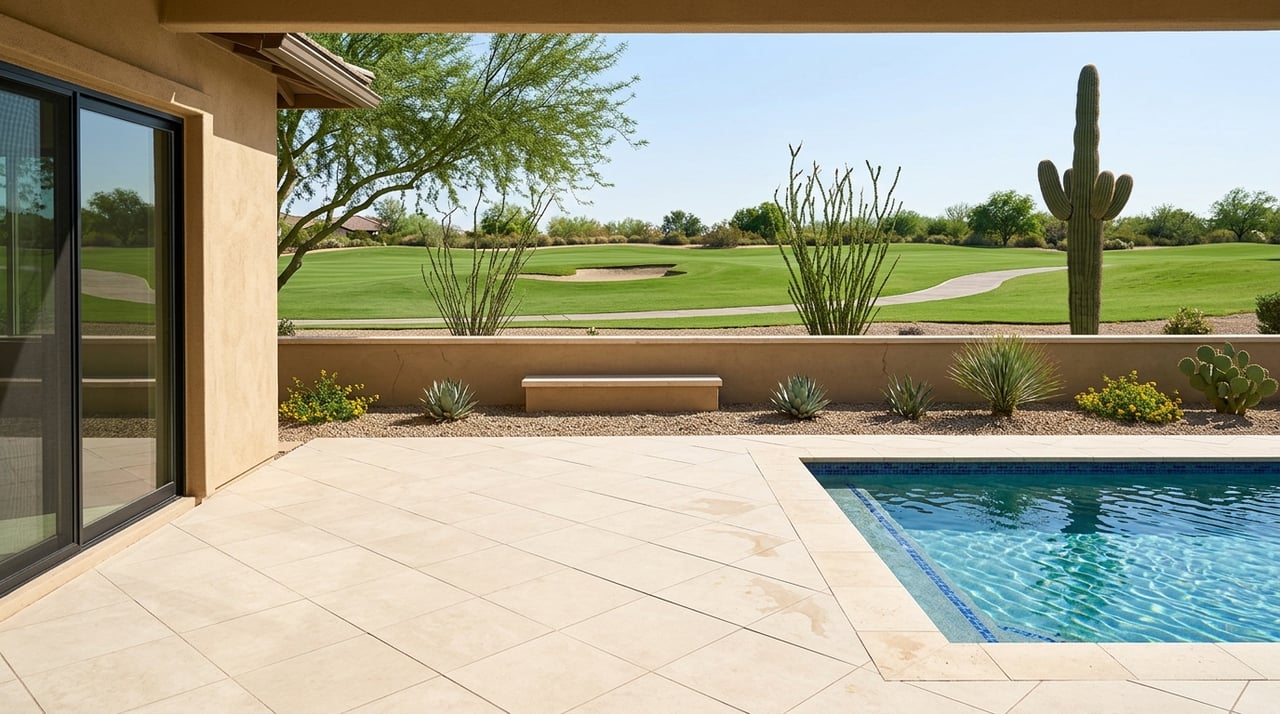
In the East Valley, outdoor living space often carries real weight with buyers. That means your patio, yard, and pool area should be treated like an extension of the interior. Buyers are not just evaluating square footage. They are also imagining how the whole property feels day to day.
If your home has a pool, presentation matters even more. Chandler identifies pools as one of the greatest outdoor water users, with evaporation in the desert climate reaching about 20,000 gallons per year on average. Leaks and excess backwashing can waste a significant amount of water.
A clean, leak-free pool with tidy decking is much more appealing than a feature that looks expensive to maintain. Before listing, make sure you:
- Service pool equipment
- Check for visible leaks or unusual water loss
- Skim debris and brush surfaces
- Clean surrounding hardscape
- Store chemicals and tools neatly
Even if buyers love the idea of a pool, they want reassurance that it has been maintained.
Stage for light, space, and simplicity
Staging does not have to mean renting a truckload of furniture. At its core, staging is about helping buyers visualize living in the home. According to NAR’s 2025 staging report, 83% of buyers’ agents said staging made it easier for buyers to see a property as their future home, and about half said staged homes sold faster.
That is a strong reason to take staging seriously, even if your home is already clean. In Chandler, the most effective staging choices are often the simplest ones.
Easy staging moves that help
- Remove personal items and excess decor
- Use neutral paint colors
- Reduce bulky furniture
- Add fresh towels and simple bedding
- Keep closets about half full
- Make the entry feel clean and cared for
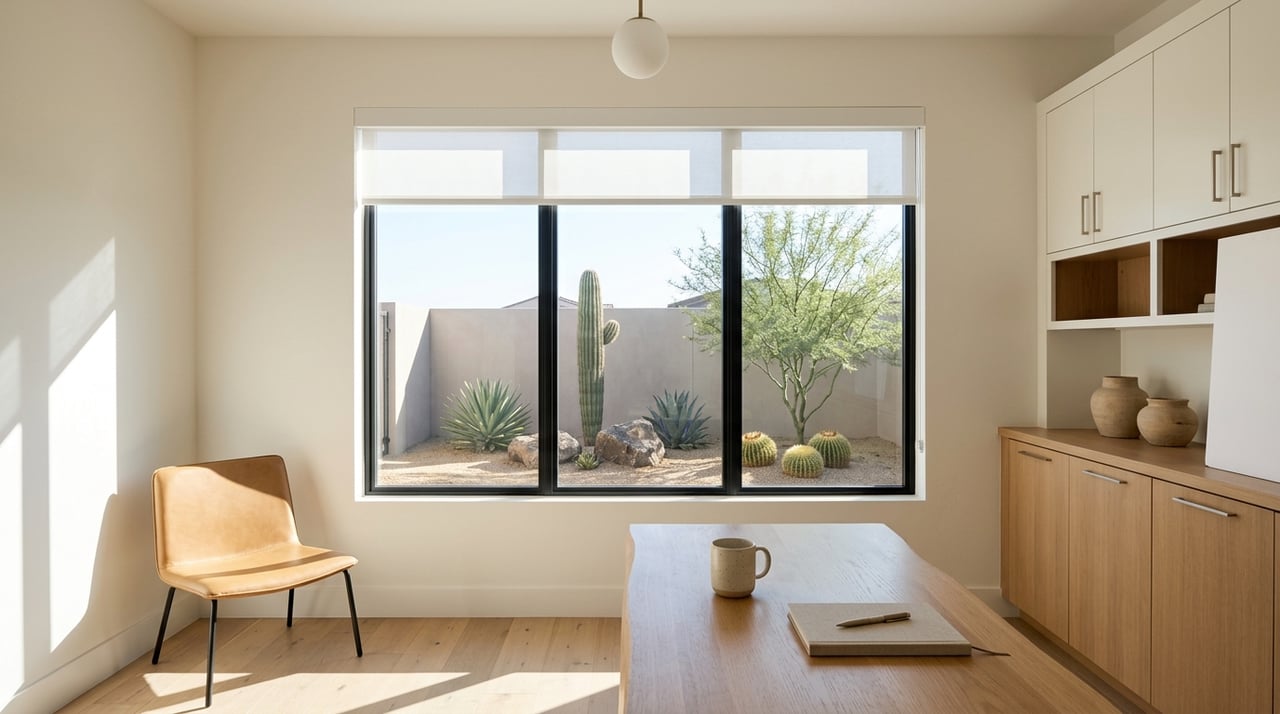
- Open blinds and emphasize natural light
The goal is to make each room feel open, functional, and easy to picture. In many Chandler homes, outdoor spaces deserve the same attention. A swept patio, clean cushions, and a shaded sitting area can help buyers connect with the home faster than expensive styling pieces.
If you use virtual staging
Be careful with accuracy. If listing photos are materially altered, that should be disclosed. The point of marketing is to present the home clearly, not create confusion when buyers walk in.
Check windows, doors, and cooling systems
Energy efficiency is getting more attention from buyers, and practical comfort matters in Chandler’s desert climate. Research on buyer interest in sustainability shows that windows, doors, and siding rank among the most important green features. For local sellers, that makes basic performance checks worth your time.
Before listing, look at the items buyers will notice during a showing:
- Window seals and operation
- Sliding door function
- Weatherstripping
- Air leaks around doors
- Signs your cooling system needs service
You do not need to promise major energy savings to make this worthwhile. A home that feels comfortable and well maintained tends to leave a better impression than one with sticking doors, drafty rooms, or an obviously struggling AC system.
Know what work may need permits
If you are making improvements before listing, do not assume every project is permit-free. Chandler’s homeowner permit manual says painting, papering, tiling, carpeting, cabinets, and countertops are generally permit-exempt. But irrigation systems require a permit, solar systems require permits, and some replacements are exempt only when they do not change structural load or system scope.
That means even a project that seems simple can raise questions if it involves plumbing, electrical, or structural work. Checking before work begins can help you avoid surprises later when buyers start asking for records.
If your home is in a community association, review the recorded community documents before making exterior changes. Exterior paint, landscape changes, or visible improvements may have community requirements that matter during prep.
Get your paperwork ready early
Seller prep is not just about how the home looks. It is also about how clearly you can answer buyer questions. Arizona disclosure guidance says that if you know facts that materially affect the value of the property, you have a duty to disclose them.
Examples used in Arizona training materials include known termite damage and latent plumbing defects. From a practical standpoint, that means your pre-listing file should include:
- Repair receipts
- Warranties
- Permit records
- Service records
- Notes on known issues and what was fixed
When you can document repairs clearly, you reduce uncertainty and make the transaction feel more organized. That can help buyers feel more confident moving forward.
A practical Chandler seller checklist
If you want a simple path forward, start here:
- Clean up the front yard and confirm irrigation works properly.
- Fix leaks, broken screens, and inoperable doors or windows.
- Address roof and HVAC concerns before cosmetic projects.
- Service the pool and correct obvious water loss if you have one.
- Declutter rooms, closets, and surfaces.
- Neutralize bold paint colors and simplify furniture placement.
- Check windows, doors, and cooling performance.
- Confirm whether planned improvements need permits.
- Gather repair records, warranties, and permit documentation.
- Price the home with current Chandler competition in mind.
You do not need to do everything at once. You just need to address the items that make buyers hesitate.
The goal is confidence, not perfection
Today’s Chandler buyers are often comparing homes carefully. They are weighing condition, maintenance, outdoor usability, and how much work they may inherit after closing. The homes that stand out are not always the most expensive or newly remodeled. They are the ones that feel well prepared, easy to understand, and ready for the next owner.
That is where experienced guidance matters. The right plan can help you avoid overspending, focus on the prep work that actually moves the needle, and bring your home to market with confidence. If you’re getting ready to sell in Chandler, the team at Huffman Davis Group can help you build a smart, local strategy from day one.
FAQs
What should I fix before listing a Chandler home?
- Focus first on visible maintenance issues like leaks, broken screens, inoperable windows or doors, roof concerns, HVAC problems, and obvious plumbing or electrical issues.
Is xeriscaping a good feature for a Chandler home sale?
- Yes, if it looks intentional and maintained. Chandler promotes desert-adapted landscaping, reduced grass, and smart irrigation as practical outdoor water-saving choices.
Should I remodel my Chandler kitchen before selling?
- Usually only if the kitchen has functional problems or is so dated that it hurts first impressions. Smaller visible updates and repairs are often the better pre-listing investment.
Does staging really help sell a Chandler home?
- Yes. NAR reports that staging helps buyers visualize the property as their future home, and many agents say staged homes sell faster.
Do I need permits for pre-listing home improvements in Chandler?
- Some cosmetic work is generally permit-exempt, but projects involving irrigation, solar, plumbing, electrical, or structural changes may require permits or further review.
What paperwork should I gather before selling a home in Arizona?
- Gather repair receipts, warranties, permit records, and service documentation for known issues or completed work so you are ready for buyer questions and disclosure needs.