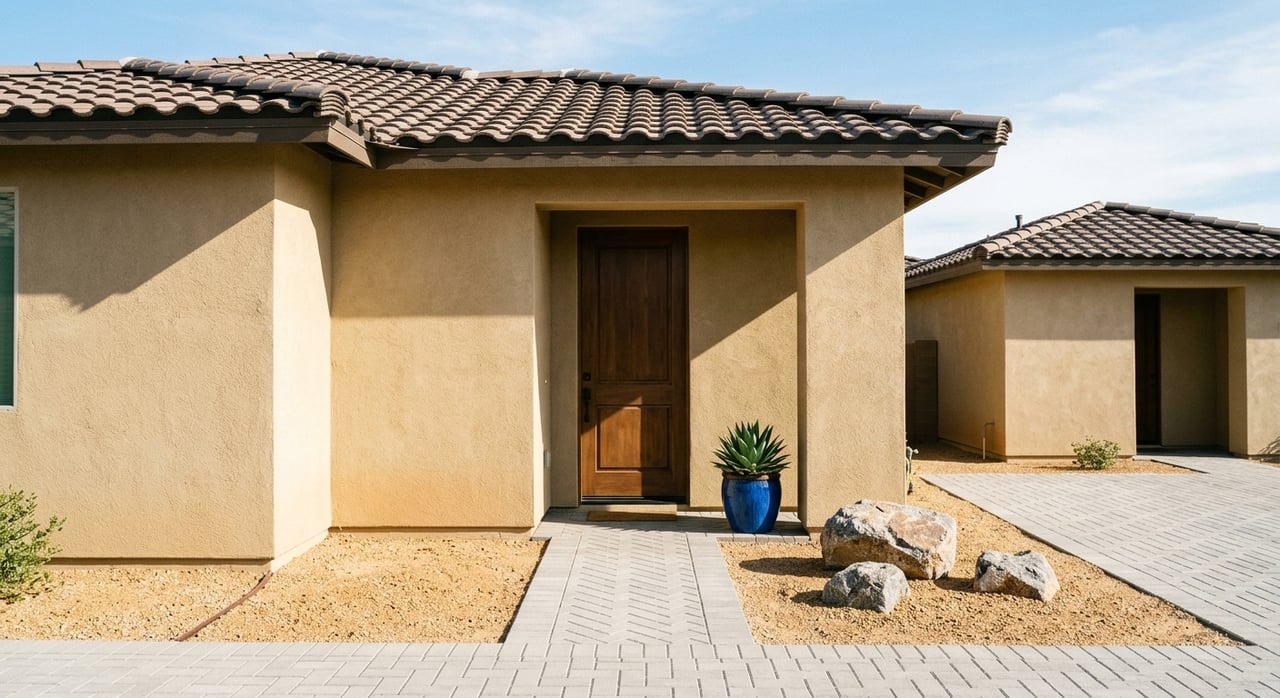
If you are shopping for a home in Fountain Hills, the HOA may matter almost as much as the house itself. In this town, two homes with similar views or square footage can come with very different rules, fees, and lifestyle expectations. When you know what to review before you buy, you can avoid surprises and choose a community that truly fits how you want to live. Let’s dive in.
Why HOAs Matter in Fountain Hills
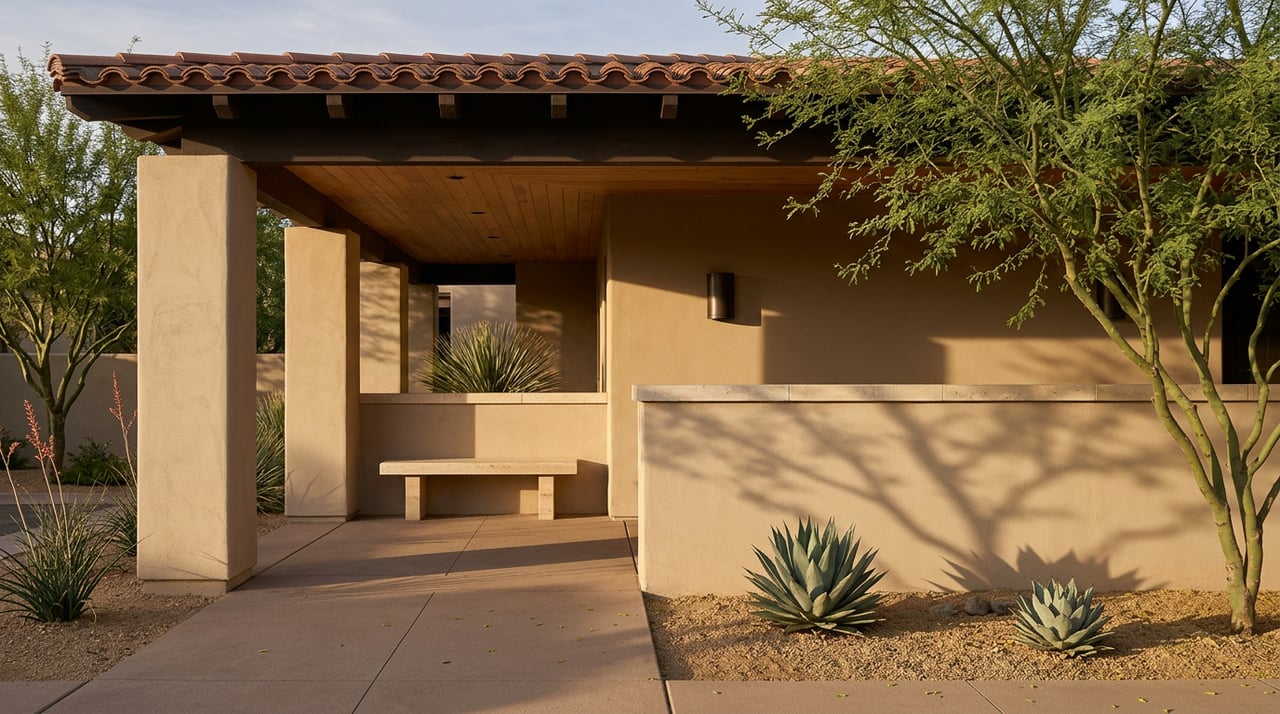
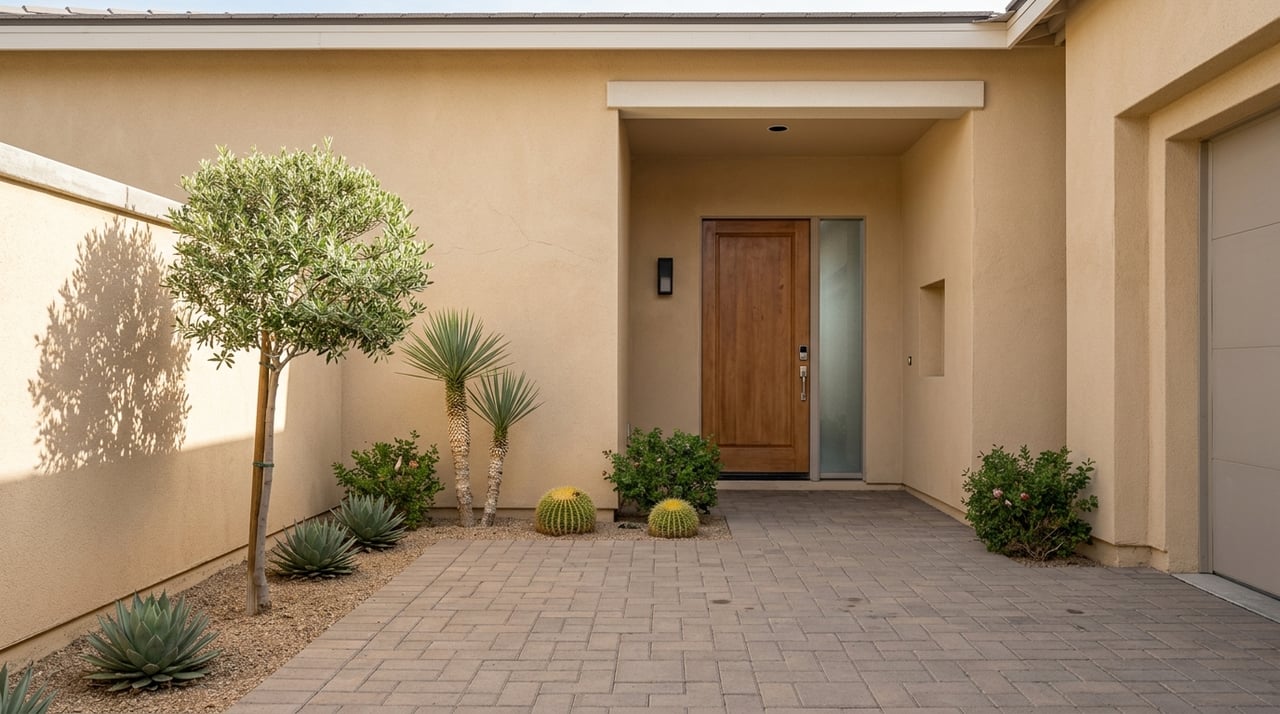
Fountain Hills is a master planned community established in 1970, and its setting shapes much of the local housing experience. The town describes itself through desert terrain, mountain views, outdoor recreation, golf, public art, parks, and trails, with housing options that range from condos to large custom homes.
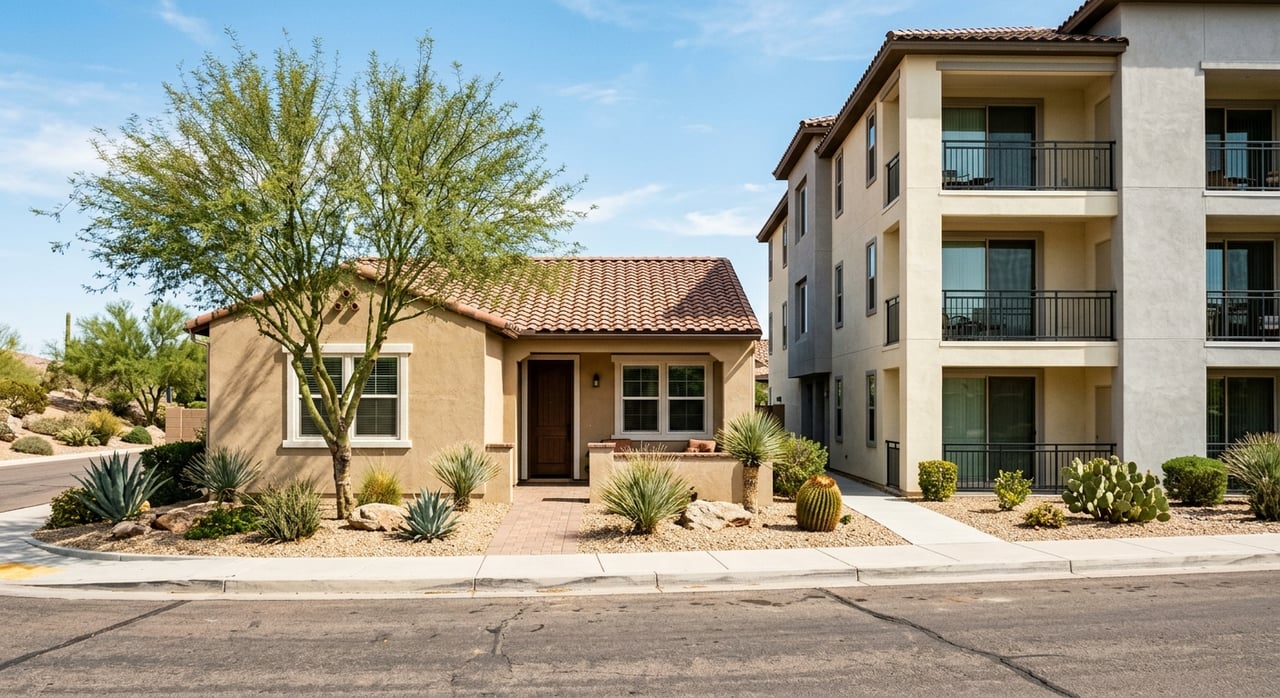
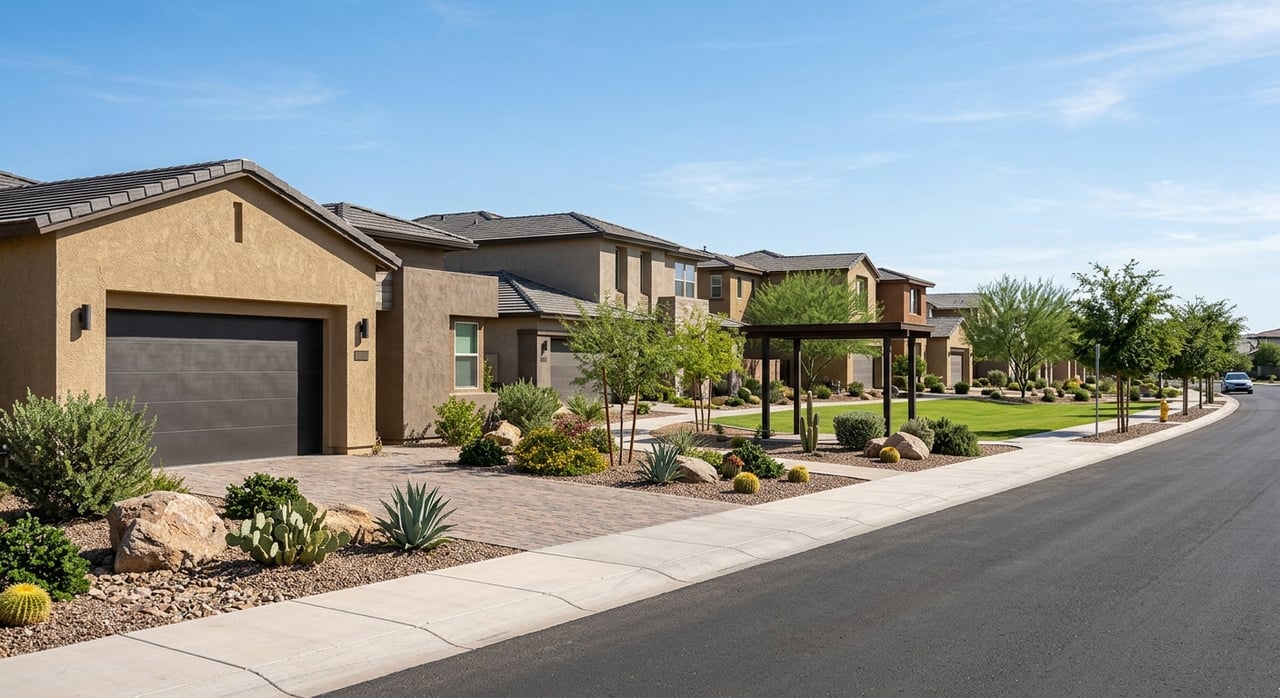
That variety is exactly why HOA review matters. A condo community, a gated golf enclave, and a custom-home neighborhood may all fall under different association rules, amenities, and costs, even within the same town.
The town also provides major public amenities, including 119 acres of developed parks, the Community Center, and two major trailheads. On top of that, individual neighborhoods may offer their own private amenities, which can affect both your day-to-day lifestyle and your monthly or quarterly carrying costs.
What HOA Living Often Looks Like
Gated and golf communities
Some Fountain Hills communities offer a more structured HOA experience built around privacy, design standards, and amenities. FireRock is one example of a gated master planned community with custom homes and condominiums near McDowell Mountain Regional Park, along with a private 18-hole golf course.
For buyers, FireRock is a useful example because its published materials show how detailed HOA oversight can be. In addition to standard governing documents, buyers may see design review requirements, open house rules, rental rules, and short-term rental rules.
FireRock also lists 2025 assessments of $816 quarterly for homes and $408 quarterly for condominium owners, plus resale disclosure and transfer fees of $200 each. Those numbers highlight an important point: HOA costs can vary by property type, even inside the same community.
Condo and townhome communities
In Fountain Hills condo and townhome communities, the HOA often covers more of the everyday management you will feel as an owner. Village at Towne Center, for example, publishes condo documents, rules and regulations, meeting minutes, budgets and financial reports, architectural guidelines, landscaping guidelines, gate access information, master insurance information, pet approval tools, and fire sprinkler system documents.
That same community also highlights social activities such as poolside events, water aerobics, and gatherings. This can be appealing if you want shared amenities and a more coordinated community environment.
Colony Wash Condominiums offers another local example. The association says it includes 20 condos and features a pool, hot tub, mini-gym, and an assigned garage for each unit, with a monthly HOA fee of $440.
Balera at FireRock shows another common pattern in upscale condo-style living. Its association highlights a pool and spa, workout facility, cabana with gas grill, and guest parking rules that prohibit overnight street parking and long-term use of visitor spaces.
Common themes buyers should expect
Across local examples, several HOA patterns show up again and again. Many Fountain Hills communities emphasize features like pools or spas, fitness areas, gated access, landscaping, and stronger architectural or use controls.
In higher-end communities, you may also see golf-oriented or club-style amenities. For you as a buyer, that means HOA review is not just about dues. It is also about understanding the full package of benefits, restrictions, and responsibilities.
Arizona HOA Rules Buyers Should Know
Arizona has separate resale disclosure laws for planned communities and condominiums. For planned communities, A.R.S. 33-1806 applies. For condominiums, A.R.S. 33-1260 applies.
In both cases, the resale package is due within 10 days after the association or seller receives written notice of a pending sale, depending on community size. This package is one of your most important due diligence tools.
The required disclosure package includes core documents and financial information. It must include the declaration, bylaws, rules, a dated statement showing the assessment amount and any unpaid assessments, insurance information, total reserves held by the association, whether there are known violating alterations or improvements, pending litigation, the current operating budget, the most recent annual financial report, and the most recent reserve study if one exists.
Arizona law also requires the buyer to sign an acknowledgment that the declaration, bylaws, and rules are a contract and that unpaid assessments can lead to foreclosure. That is a strong reminder that HOA documents are not background paperwork. They are a key part of what you are agreeing to when you buy.
HOA Fees and Disclosure Costs
Arizona caps HOA resale disclosure and lien-estoppel type fees at an aggregate of $400, with a possible $100 rush fee and a $50 update fee under the statute. These fees are collected no earlier than close of escrow and can only be charged once for that transaction.
This statutory framework helps you evaluate published community fees in context. FireRock’s listed $200 resale disclosure fee and $200 transfer fee match that aggregate structure.
What to Review Before You Make an Offer
Start with the governing documents
Ask for the CC&Rs, bylaws, and rules as early as possible. These documents function as the association contract and can govern exterior changes, common-area use, parking, rental rules, and everyday living expectations.
If you already know you want flexibility for landscaping, hardscaping, or exterior updates, review these sections carefully. In FireRock, published design guidelines require approval for landscaping, hardscape, and architectural changes.
Review the financial health
You should also review the current assessment amount, any unpaid assessments tied to the property, and whether there are special assessments or other fees. These numbers directly affect your carrying costs.
Next, look at the current budget, annual financial report, and reserve study if one exists. In communities with amenities or shared systems like pools, gates, roads, sprinklers, or exterior components, reserve strength can help you gauge whether future repair costs may already be planned for.
Read meeting minutes and agendas
Meeting minutes and agendas can tell you far more than a glossy community description. They may reveal planned capital projects, recurring maintenance concerns, rule changes, or ongoing disputes.
Arizona law supports open meeting practices for planned communities. After declarant control ends, board meeting notice and agendas must be given at least 48 hours in advance, and members must be able to speak before a vote.
Clarify insurance and maintenance duties
This step is especially important in condo and townhome communities. The resale package includes insurance information, and that can help you understand what the association insures versus what you may need to insure yourself.
You should also ask who maintains roofs, exterior paint, irrigation, and other common systems. In attached or condo-style living, those lines of responsibility are often different than they would be with a detached home.
Questions to Ask About a Fountain Hills HOA
Before you commit to a property, ask clear questions that connect directly to your daily life and long-term costs.
- What do the dues cover?
- Are there any pending special assessments or major projects?
- What exterior changes require approval?
- Are rentals or short-term rentals allowed?
- Are there parking, pet, or gate-access restrictions?
- Who maintains roofs, exterior paint, irrigation, and shared systems?
These are not small details. For example, Balera at FireRock publishes parking restrictions for guest and street parking, while Village at Towne Center references pet approval tools and gate access information. FireRock also publishes both a rental letter and a short-term rental policy, which shows that rental use can be regulated separately.
Open Meetings, Records, and Enforcement
Arizona law gives HOA members access to certain association records after purchase. Financial and other records must be made reasonably available for examination, and the association has 10 business days to respond. Copy charges may be up to 15 cents per page, though some records may be withheld, such as privileged legal material and certain personal records.
Arizona law also says planned-community board and member meetings should be conducted openly, with agendas provided in advance. If an open meeting is recorded, the recording must be kept for at least six months and made available to a member on request.
If an HOA wants to enforce a violation, the law requires notice and an opportunity for the member to petition for an administrative hearing before enforcement moves forward. For buyers, that makes it wise to understand not just the written rules, but how actively the association appears to enforce them.
Lifestyle Tradeoffs to Weigh
The biggest upside of HOA living in Fountain Hills is structure. Depending on the community, you may gain access to shared amenities, landscaping support, gate systems, social programming, and a more consistent exterior environment.
That can pair nicely with the broader benefits of living in Fountain Hills, where the town itself offers parks, trails, and other recreational amenities. If you want a low-maintenance or amenity-rich lifestyle, an HOA community may line up well with your goals.
The tradeoff is less freedom and more need for due diligence. HOA living can involve ongoing dues, design approvals, rental or parking restrictions, fines for violations, and the possibility of special assessments if reserves are not strong enough.
How to Buy With More Confidence
The best Fountain Hills HOA for you depends on more than the home’s finishes or the view from the patio. It depends on whether the rules, fees, amenities, and maintenance structure fit the way you want to live.
That is why it helps to compare communities carefully, line by line, before you make an offer. A thoughtful review of the resale packet, budget, reserve information, meeting minutes, and use restrictions can give you a much clearer picture of what ownership will really feel like.
If you want help comparing Fountain Hills HOA communities and understanding how the details may affect your purchase, connect with Huffman Davis Group. You will get personal, senior-level guidance to help you move forward with clarity.
FAQs
What should you review in a Fountain Hills HOA before buying?
- You should review the CC&Rs, bylaws, rules, assessment amounts, budget, annual financial report, reserve study if available, insurance information, and meeting minutes or agendas.
How quickly does an Arizona HOA have to provide a resale disclosure package?
- For planned communities and condominiums, the resale package is due within 10 days after the association or seller receives written notice of a pending sale, depending on the size of the community.
What do HOA fees in Fountain Hills communities usually cover?
- Coverage varies by community, but local examples show dues may support amenities and services such as landscaping, gated access, pools, spas, fitness spaces, and other common-area operations.
Can a Fountain Hills HOA restrict rentals or exterior changes?
- Yes. Local examples show that some communities publish rental rules, short-term rental policies, and design review requirements for landscaping, hardscape, and architectural changes.
Why are HOA meeting minutes important for Fountain Hills buyers?
- Meeting minutes can reveal upcoming projects, maintenance issues, disputes, or rule changes that may affect your costs or ownership experience.
Are condo HOA responsibilities different from detached-home HOA responsibilities in Fountain Hills?
- Often, yes. In condo and townhome communities, the association may handle more shared maintenance and insurance responsibilities, so you should confirm exactly where the HOA’s responsibilities end and yours begin.