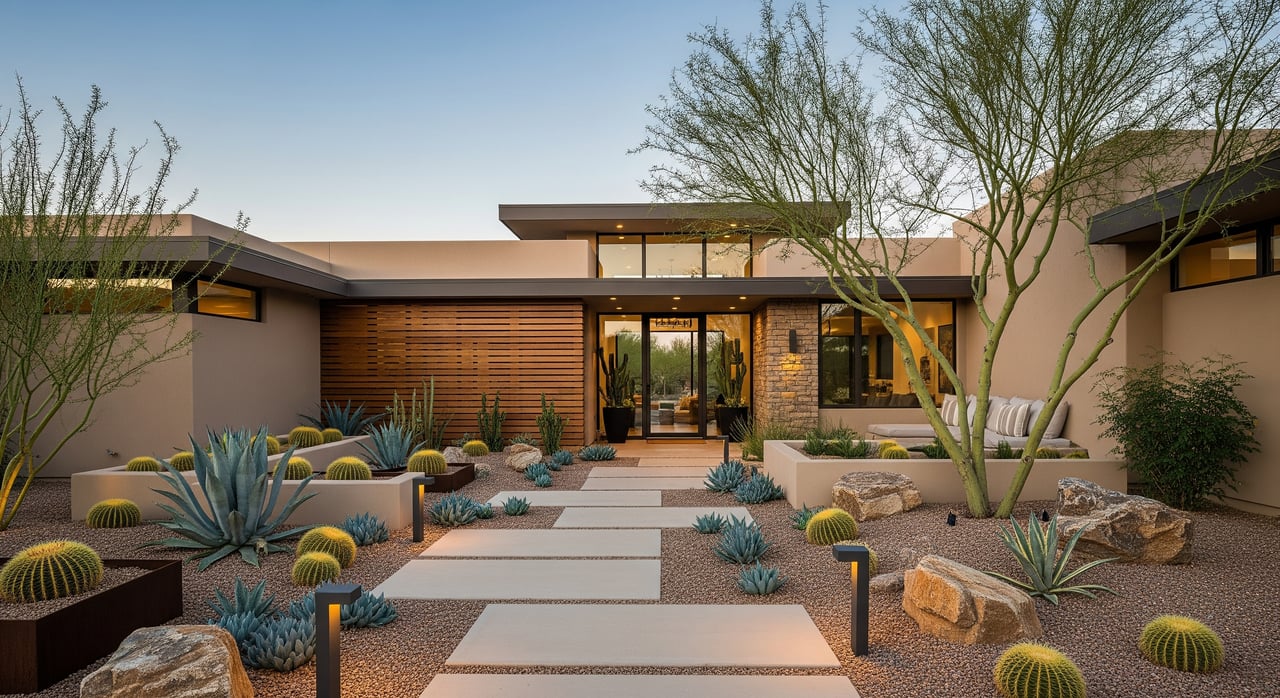
You live in the Sonoran Desert, so your yard needs to work with heat, low rainfall, and high summer water demand. The good news is that the right desert landscaping can lift curb appeal, lower water use, and signal easy upkeep to buyers. If you are prepping to sell, or buying with an eye on long-term costs, a smart xeriscape plan is one of the best upgrades you can make.
In this guide, you will learn which water-wise choices tend to deliver the best resale impact in Chandler, how to prioritize projects, and what to watch for with HOAs and rebates. Let’s dive in.
Why desert landscaping pays in Chandler
Chandler sits in the Sonoran Desert with very hot, dry summers and mild winters. Soils are often alkaline and compacted, and the area aligns with USDA zones around 9b to 10a. That means plants must handle heat and drought, and irrigation should be efficient. Buyers here value low-water, low-maintenance yards that still feel welcoming and usable.
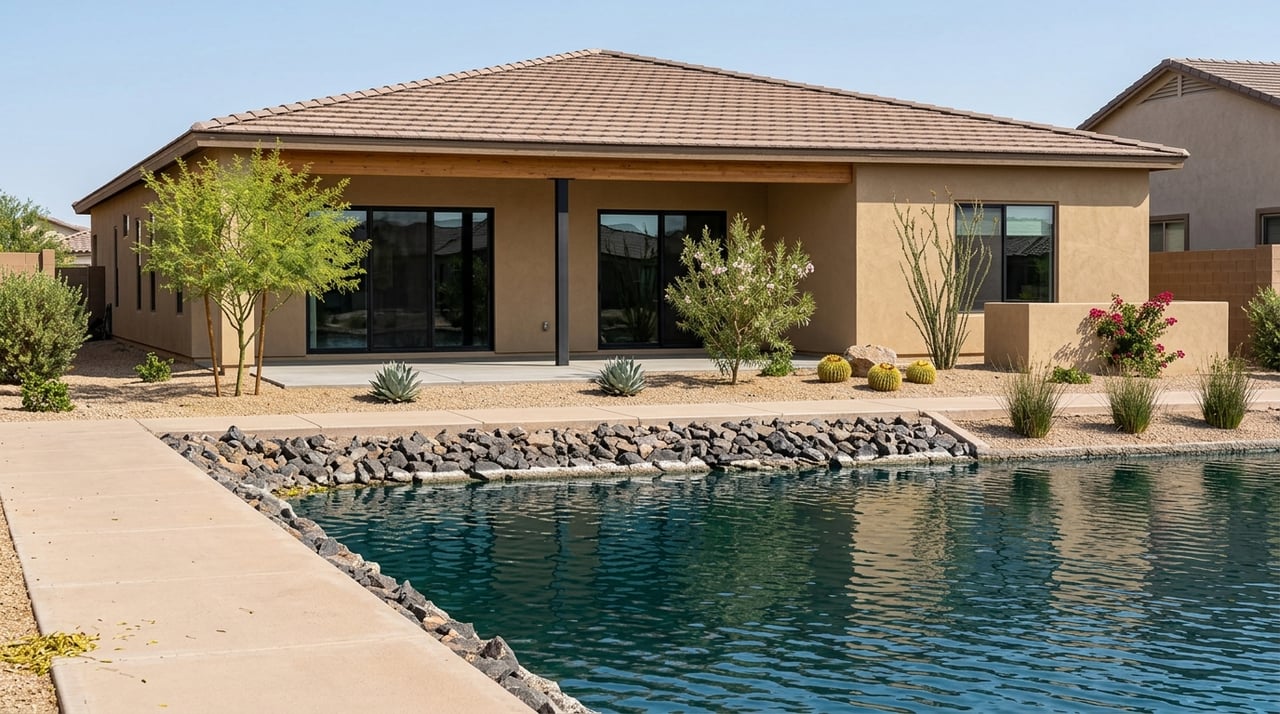
Front-yard impact is key. A tidy, intentional xeriscape with a defined walkway, shade, and seasonal color can boost first impressions during showings. Efficient irrigation, smart controllers, and right-sized turf areas reduce ongoing costs. Many utilities and local agencies run water-saving programs, so it is worth checking current rebates before you start.
Xeriscape basics that impress buyers
Plan the front entry
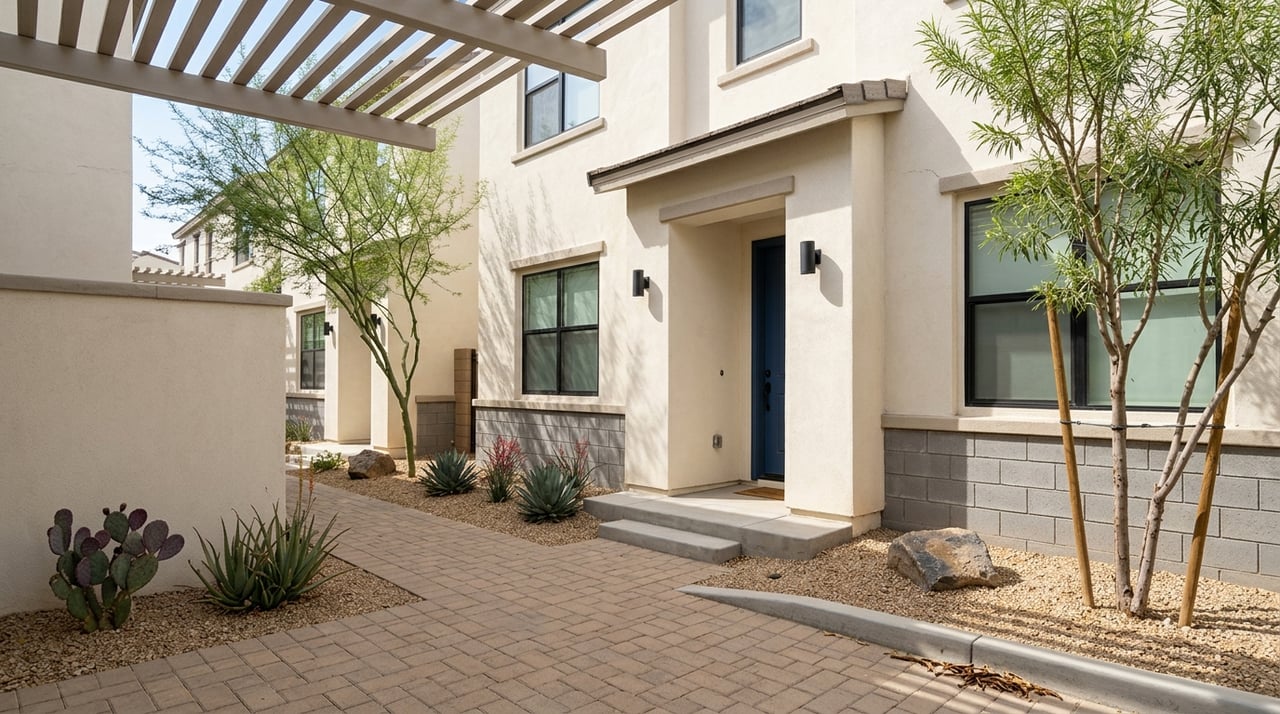
Your entry sets the tone. Create a clear, welcoming path from the sidewalk or driveway to the front door. Use layered plant heights so the space feels balanced: a shade canopy tree, mid-height shrubs, and low groundcovers. Add simple path lighting and one focal point near the entry. Keep rock neatly contained with defined beds, not scattered gravel.
Choose proven plants for the Sonoran Desert
Pick low-water, heat-tough plants that fit Chandler’s climate and soils. Focus on regionally adapted natives or well-adapted species. Good options include:
- Canopy trees for shade: Palo Verde, Mesquite, and Desert Willow.
- Accent shrubs and flowering plants: Texas Ranger, Desert Olive, Fairy Duster, Red Bird of Paradise, Gregg’s Mistflower, and drought-tolerant lantana varieties.
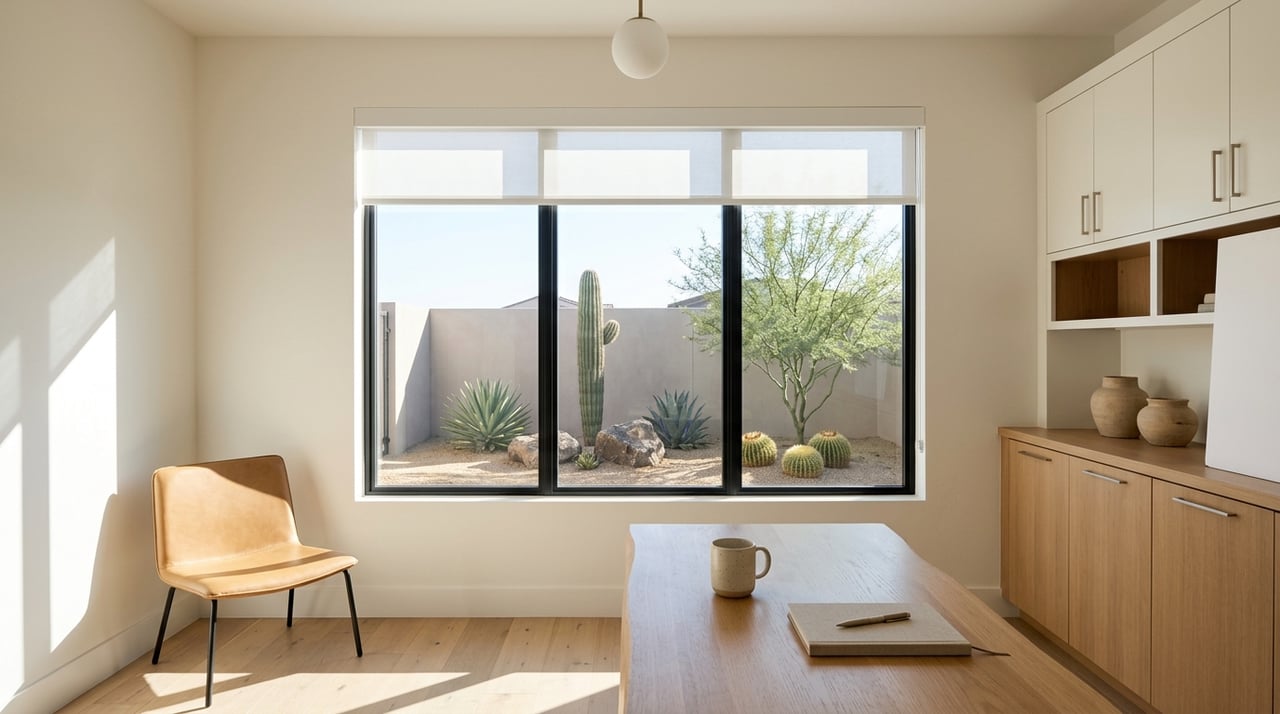
- Succulents and structure: Agave, Yucca, Dasylirion, Aloe, and select prickly pear varieties. Place spiny plants away from walkways and play areas.
- Grasses and groundcovers: Deer grass and other drought-tolerant options used in small, strategic areas.
Avoid species that need frequent summer watering. Be mindful that some native plants are protected. Confirm local rules before removing or relocating any regulated species.
Upgrade to efficient irrigation
Drip irrigation for planting beds and micro-emitters for trees deliver water where it is needed and cut waste. A smart controller that adjusts watering by weather can improve efficiency and reduce bills. Group plants into zones by water needs so shrubs, trees, and any turf are watered correctly. Check for current utility rebates before purchasing equipment.
Use mulch and groundcovers
Mulch reduces evaporation and keeps roots cooler. Decomposed granite or well-placed rock within defined beds reads clean and intentional. Avoid large expanses of plain rock with no plants. A few tough groundcovers can soften edges and help control weeds.
Keep turf where it matters
Not all buyers want a lawn, but some value a small, usable patch in the backyard for kids or pets. If you keep turf, use it sparingly and pick drought-tolerant grass types. Consider alternatives like decomposed granite patios, permeable paver areas, or native planting beds. Artificial turf can save water and time, but it increases surface heat and has a replacement cycle. Quality installation and partial use, especially in shaded or backyard areas, reduce drawbacks.
High-value updates and what to avoid
Updates buyers tend to favor
- Front-yard xeriscape that looks intentional, neat, and shaded.
- Drip irrigation plus a smart controller for visible efficiency.
- Replacing patchy front-yard turf with attractive, low-water plantings or well-installed artificial turf.
- Shade additions that signal comfort and energy awareness. Mature shade trees are ideal, but new well-placed trees still show value.
- Durable hardscape features like defined walkways and paver accents.
Lower-ROI or risky moves
- Overdoing plain gravel without plants, which can look cheap or neglected.
- High-cost, custom water features that are maintenance heavy and not universally appealing.
- Highly specific plant collections or thorny barriers in prominent areas that can limit buyer interest.
Budget and phasing plan
A clear plan helps you get more for less. Tackle projects in phases so your front-yard impact lands first.
Start with cleanup
Remove weeds, dead or failing plants, and any trash. Prune trees and shrubs for health and visibility. Refresh bed edges and rake gravel or decomposed granite for a clean, even look. A tidy yard can lift buyer perception fast.
Front yard first
If you are selling soon, concentrate resources where buyers form their first impression. Add one shade tree if space allows, plus a few low-water flowering accents for seasonal color. Ensure the path to the door is defined and safe.
Irrigation upgrade next
Repair leaks and convert spray heads in beds to drip. Add or update a smart controller. Separate zones by plant type so trees, shrubs, and turf are watered accurately. These updates are relatively affordable and show well on a listing sheet.
Backyard and shade strategy
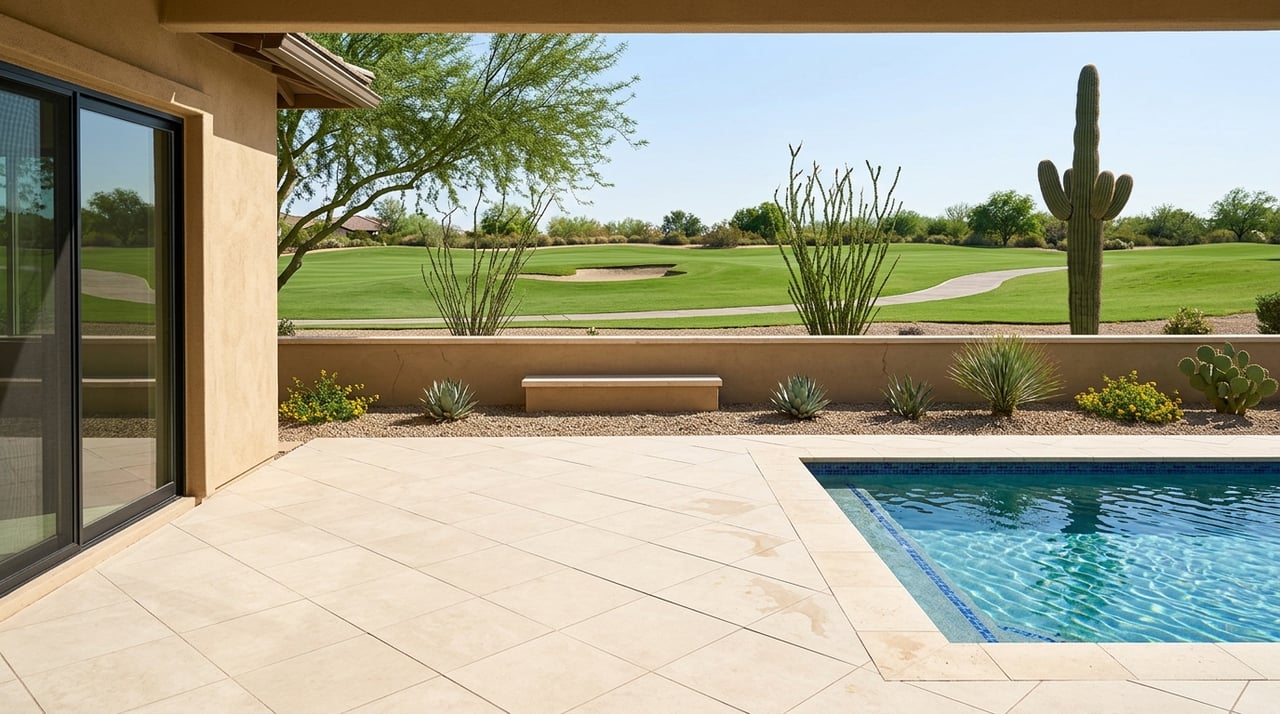
Use simple, low-maintenance surfaces where play or seating is desired. Consider a small turf area only if you know it will be used. For shade, a young canopy tree or a simple structure can boost comfort and enjoyment.
DIY or hire a pro
You can handle basic cleanup, planting smaller shrubs, and mulch refreshes. For irrigation design, controller setup, and proper tree planting, a professional install helps ensure survival and efficiency. For larger projects, request two to three local bids and ask to see examples of desert installations.
Costs and payback mindset
Local costs vary by scope and material quality. Get Chandler-based estimates for drip conversion and controllers, tree planting, turf removal, and hardscape. Weigh long-term savings on water and maintenance against upfront spend. Irrigation efficiency often pays back faster in our hot summers.
Rules, HOAs, and rebates
Before you make visible changes, review your HOA guidelines. Some neighborhoods set rules for front-yard materials or require approval. Check City of Chandler codes if you plan drainage changes or large removals. Call utility locate services before digging for trees or irrigation.
Utilities and regional water agencies often offer turf removal or smart controller rebates. Programs change and usually require pre-approval plus verification after installation. Confirm eligibility, paperwork, and timing before you start.
Quick seller checklist
- Remove weeds and dead growth, prune for a clean look.
- Define a safe, welcoming path to the front door.
- Add one well-placed shade tree if space and rules allow.
- Refresh beds with decomposed granite or mulch, plus seasonal color accents.
- Convert sprays to drip and install a smart controller.
- Reduce turf where it is not used, keep small backyard turf only if it adds function.
- Add simple path and accent lighting for evening showings.
Ready to sell with confidence
In Chandler, thoughtful desert landscaping is both a comfort upgrade and a curb appeal win. Focus on front-yard design, efficient irrigation, and practical shade to make your home stand out while keeping long-term costs in check. If you are planning a sale or purchase in the East Valley, let a local team guide you through what resonates with today’s buyers.
Have questions or want a tailored prep plan for your address? Reach out to the Huffman Davis Group for neighborhood-level guidance and a clear next step.
FAQs
Will xeriscaping hurt resale value in Chandler?
- Well-designed xeriscaping usually helps value by improving curb appeal and lowering perceived maintenance, while plain rock yards or neglected installs can hurt appeal.
How much maintenance does a desert yard need in the Phoenix area?
- Less watering and no mowing in most cases, but you still adjust irrigation seasonally, prune as needed, control weeds, and water new trees during establishment.
What front-yard plants look good year-round in Chandler?
- Combine a shade tree like Palo Verde or Desert Willow with evergreen shrubs such as Texas Ranger, add agaves for structure, and rotate seasonal bloomers for color.
Is artificial turf a good idea for Chandler backyards?
- It can reduce water use and mowing, but it gets hot and has a replacement cycle; buyers prefer quality installation and limited, thoughtful placement.
How long until new trees provide useful shade in Chandler?
- Most shrubs establish within one to two seasons, while trees take several years; planting now signals value, and mature specimens can provide an immediate boost.
Do I need HOA approval for front-yard changes in Chandler?
- Many HOAs require approval for visible landscape changes; review your community rules and check city codes before you start.